

A Guide to Antique Jewelry Eras: Georgian to Mid-Century

Antique jewelry eras are the periods that shape how a piece looks, what it is made of and how it was built. Once you know the main features of each era, you can usually place a ring or brooch within a few decades. That helps you judge authenticity, understand a fair price and choose pieces that suit your taste.
"Antique" generally means 100 years old or more, while "vintage" means 20 to 99 years old. Georgian, Victorian and Edwardian jewelry is antique. Art Deco is on the border, since pieces made before about 1926 now qualify. Retro and Mid-Century jewelry is vintage. This guide covers all six eras.
Georgian Era Jewelry (1714-1837)
Georgian jewelry comes from the reigns of the four King Georges, before industrial production began. Every piece was made by hand, so no two are the same. The style is sentimental: lockets and rings holding a portrait or a lock of hair, mourning pieces engraved with a name and date, and Giardinetti brooches shaped like small flower baskets. Common motifs include bows, hearts, flowers and clasped hands.
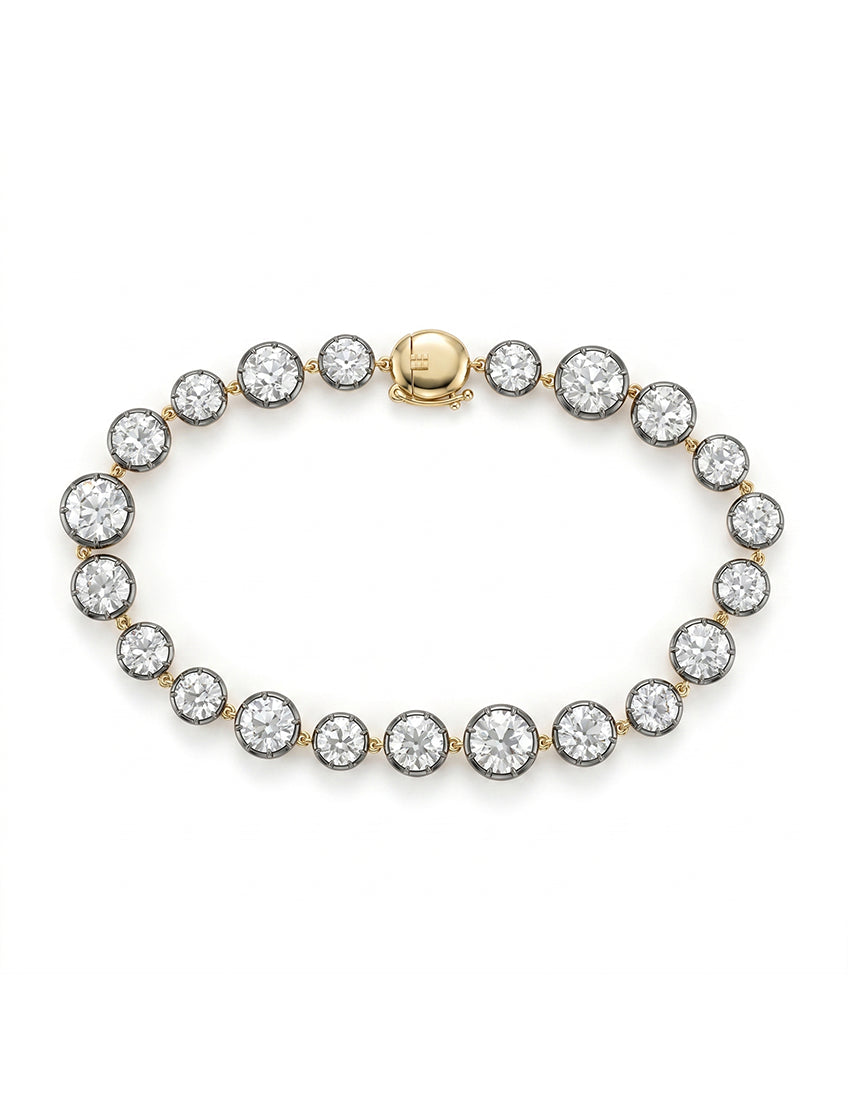
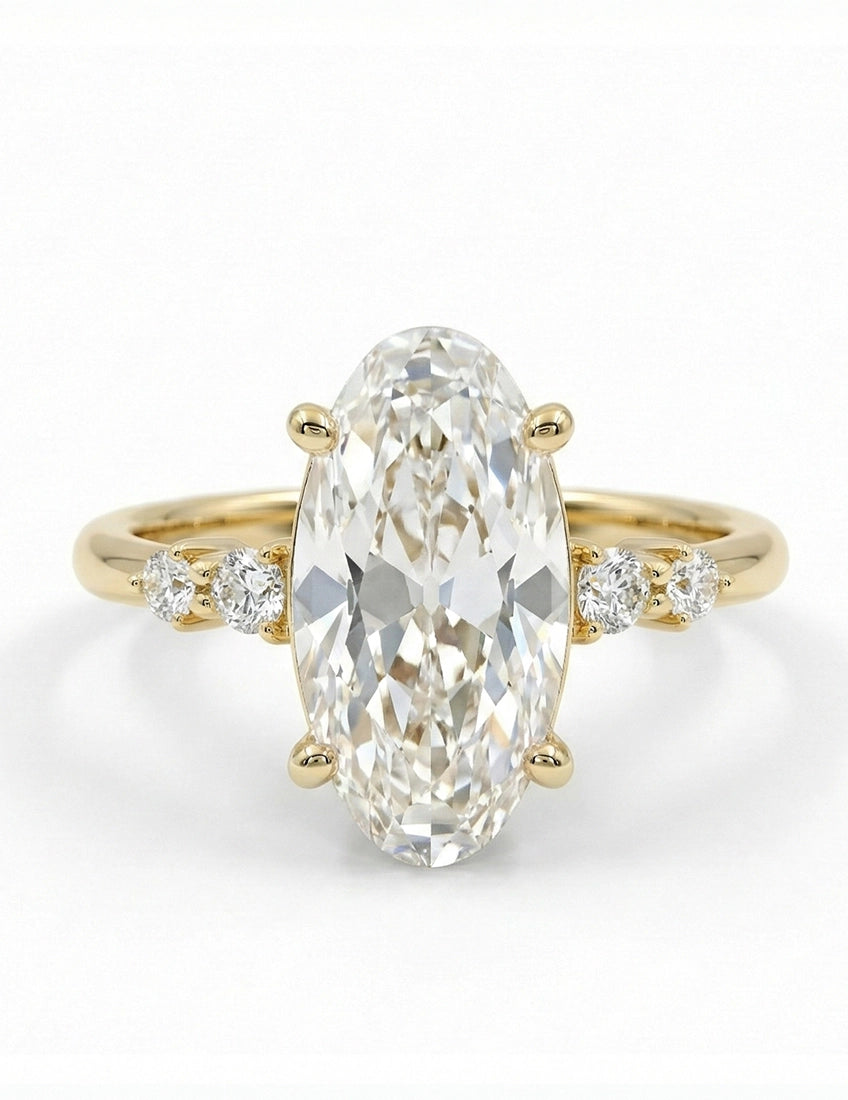
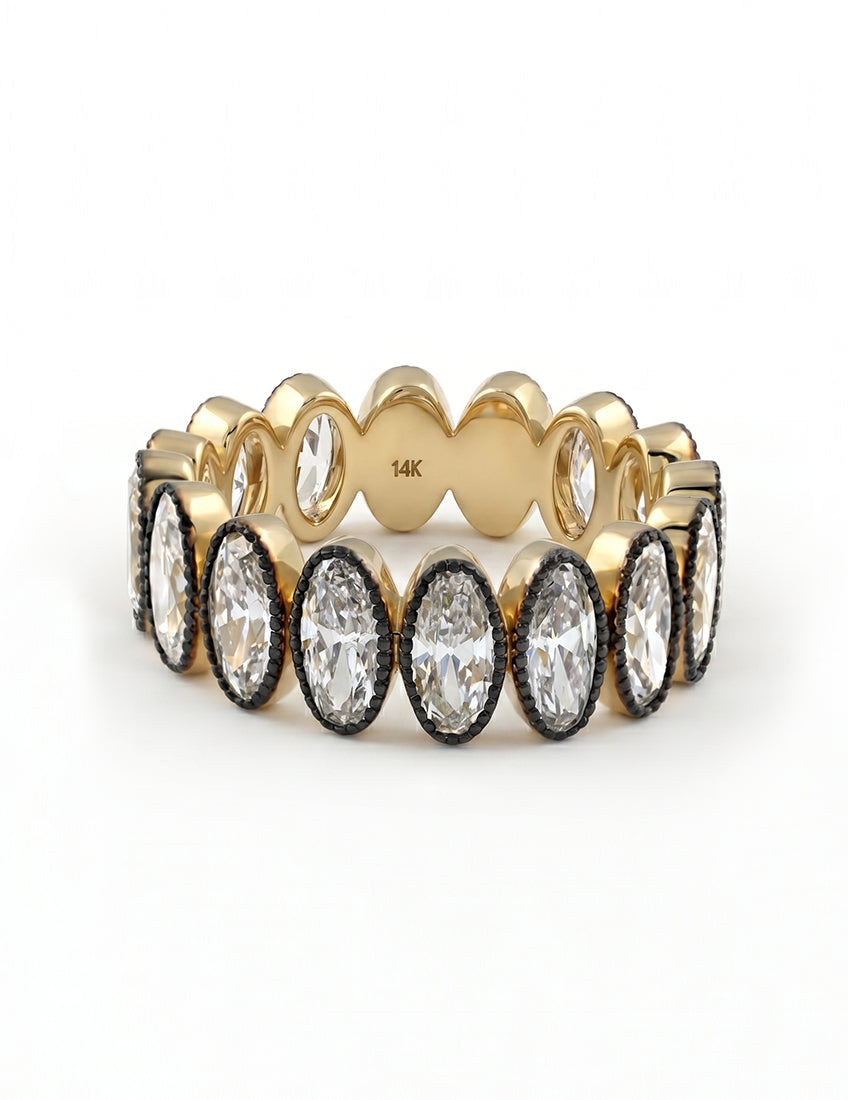
Gold was high karat, and many settings use silver on the front with gold at the back. Diamonds are rose cut or old mine cut, and colored stones were often set over metallic foil in closed-back settings. Paste, a glass imitation of gemstones, was also widely used.
How to spot it: hand-finished metalwork, closed backs, foiled stones, uneven cuts and few or no hallmarks. Surviving pieces are scarce because many were melted down and remade.
Victorian Era Jewelry (1837-1901)
Victorian jewelry covers Queen Victoria's long reign, and collectors usually split it into three periods:
- Romantic (1837-1860): light, sentimental designs such as snake rings, lockets, cameos and brooches set with garnets, turquoise and amethyst.
- Grand or Mourning (1861-1885): after Prince Albert died in 1861, black jet, onyx and woven hair work became fashionable.
- Aesthetic or Late (1885-1901): lighter pieces with stars, crescents and birds, and more diamonds, which became easier to get after the South African discoveries of 1867.
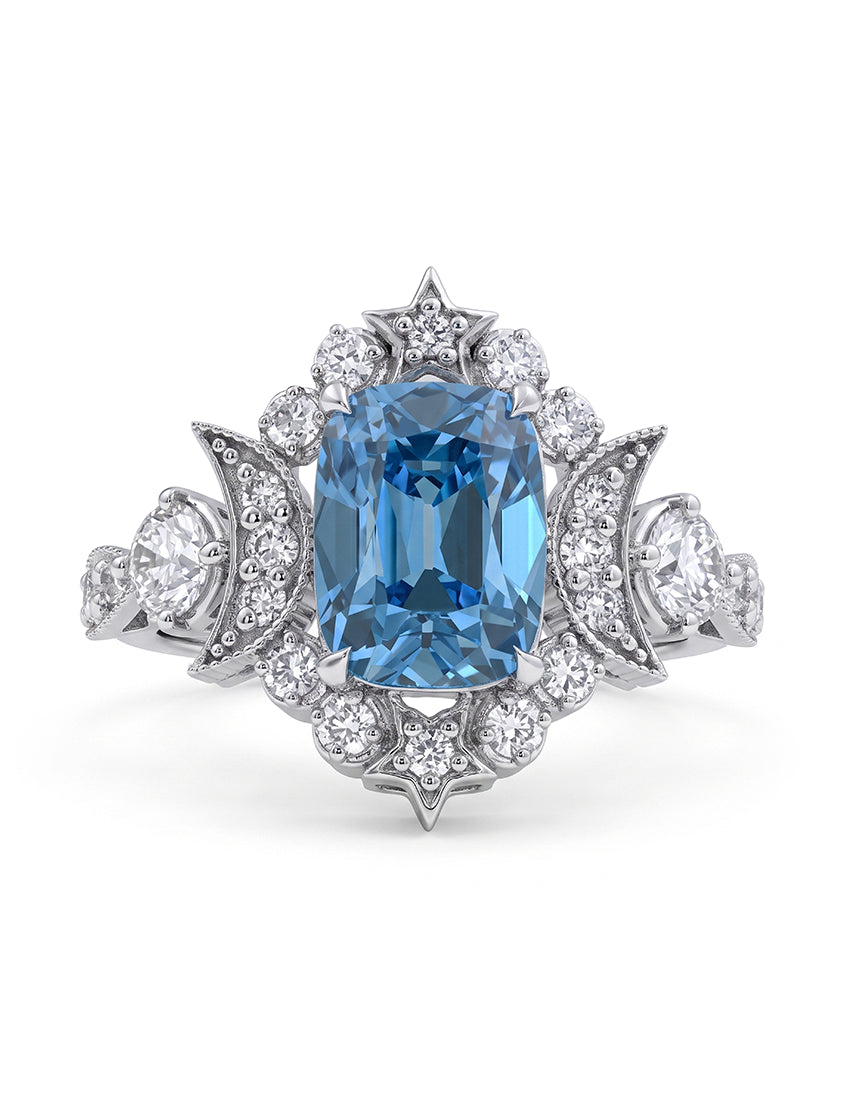
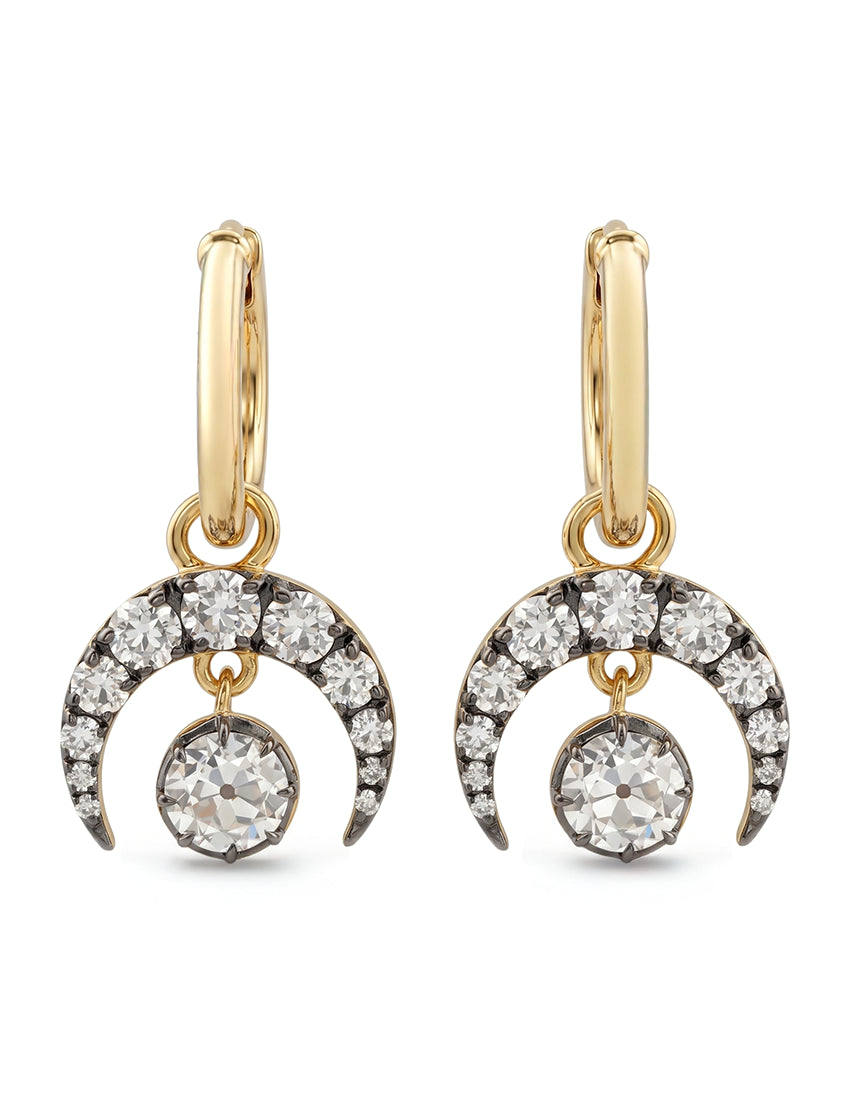
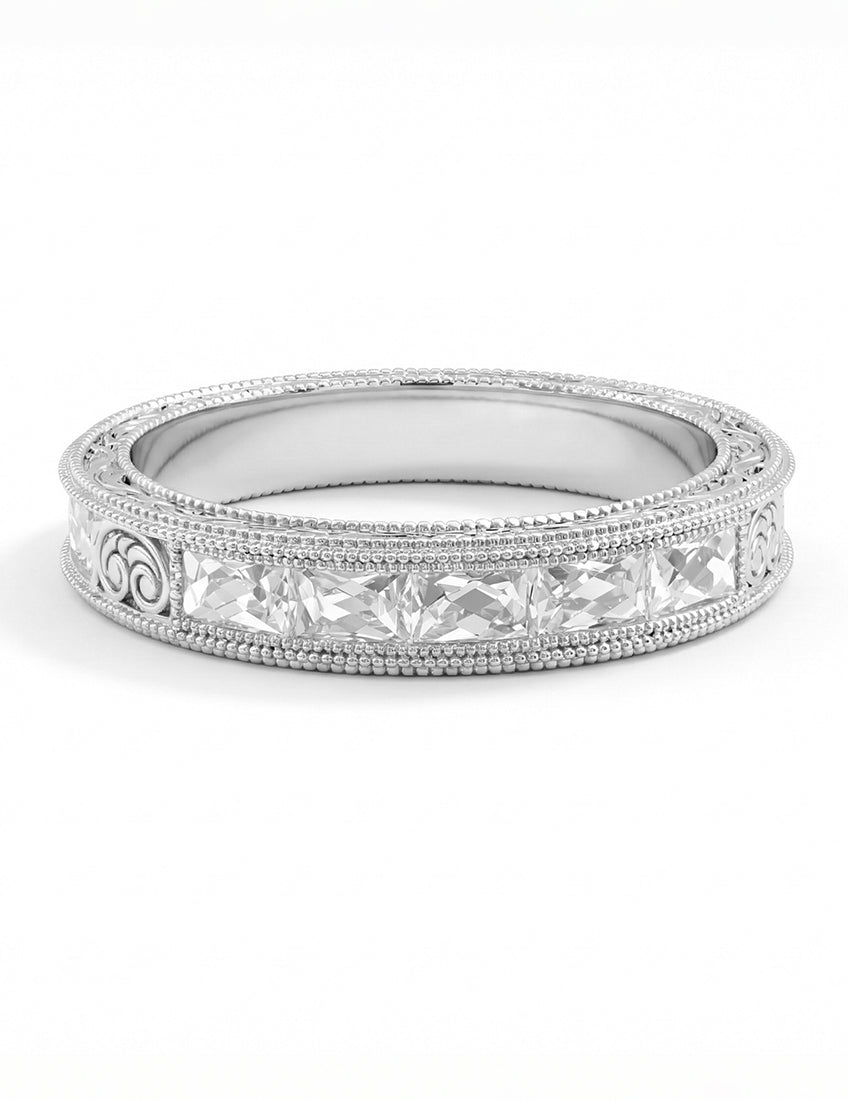
Gold was used in 9K to 18K, with 15K common in Britain. Seed pearls, enamel and garnets were popular, and some machine-made parts appeared.
How to spot it: yellow gold, detailed engraving, colored stones and more hallmarks than Georgian work. Early pieces are delicate and later ones are heavier. Victorian is the most available of the antique eras, which makes it a good place for new collectors to start.
Edwardian Era Jewelry (1901-1910)
Edwardian jewelry follows the reign of King Edward VII and is closely linked to the Belle Époque. Some sources extend the period to about 1915. The style is light and lace-like, often called the garland style, with wreaths, ribbons, bows and swags. Typical pieces are lavalier necklaces, dog collar necklaces, bow brooches and drop earrings.
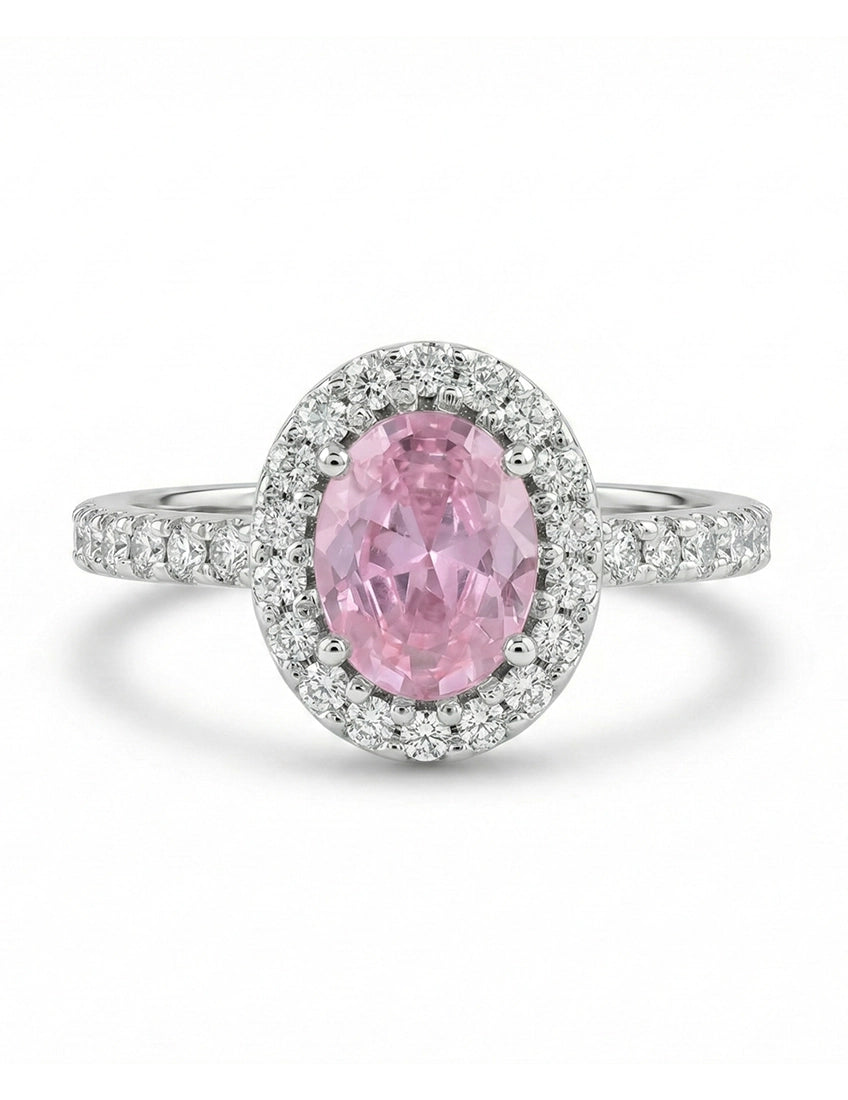
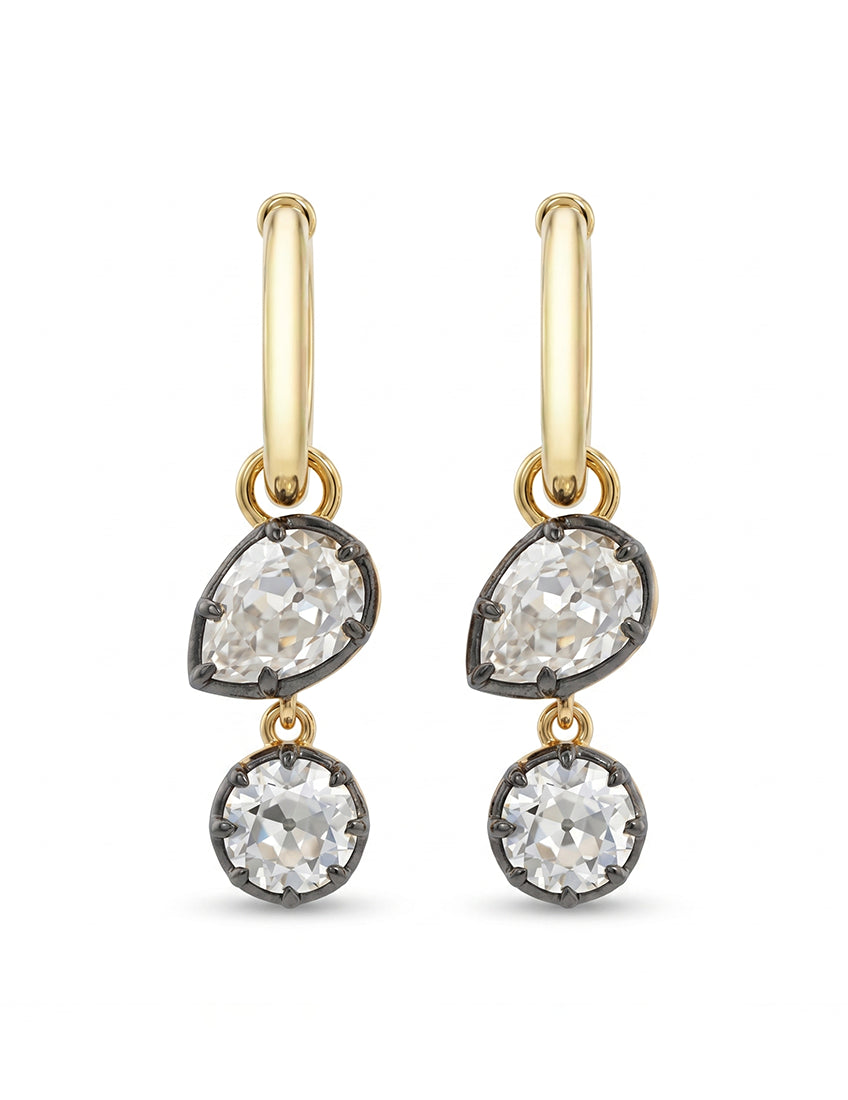
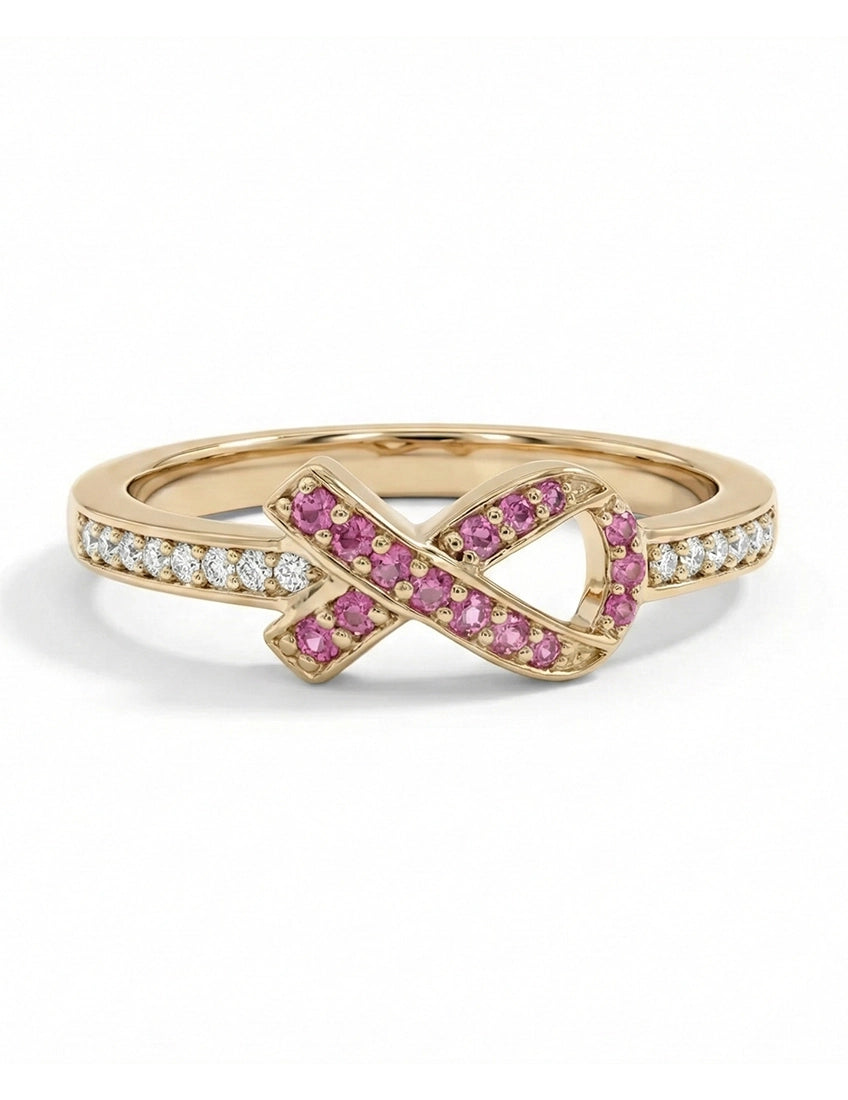
Platinum became important in this period. It is strong enough to hold stones in very thin metal, which allowed fine openwork, and many pieces use platinum over gold. Diamonds and natural pearls were the main stones, often with sapphires, and old European cut diamonds are typical. Look for milgrain, a row of tiny beads along the edge of a setting, and fine filigree.
How to spot it: platinum or platinum-topped gold, intricate openwork and a white-on-white look from diamonds and pearls. The delicate construction wears thin, so check settings and thin wires for damage.
Art Deco Era Jewelry (1920-1940)
Art Deco followed World War I and took its name from the 1925 Paris exhibition of decorative arts. The 1922 discovery of Tutankhamun's tomb added Egyptian influence, and machine-age design shaped the look. Where Edwardian jewelry is soft, Art Deco is structured, with geometry, symmetry and strong lines. Typical motifs are sunbursts, zigzags, chevrons and fans.


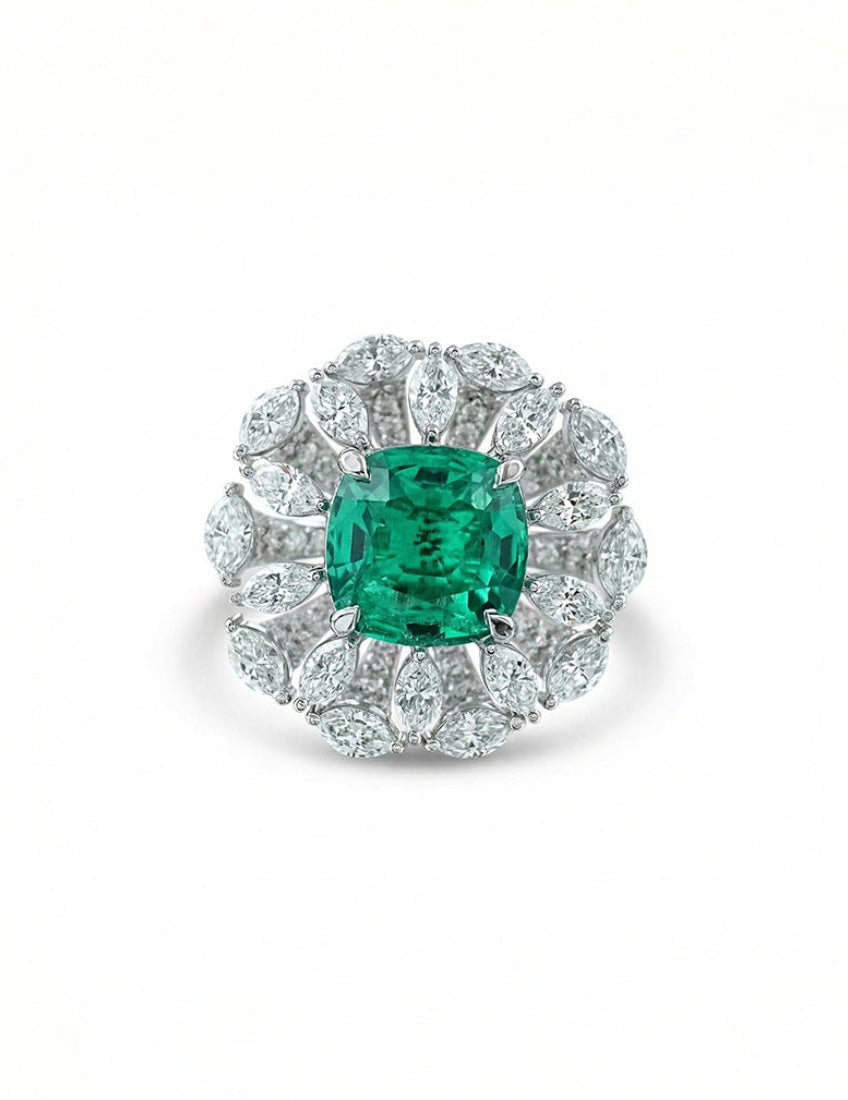
Platinum stayed the premium metal, and white gold became more common. Diamonds were cut as baguettes, emerald cuts and Asscher cuts, then combined with emerald, ruby, sapphire, onyx, jade or coral for contrast. Calibré cutting, where small stones are shaped to fit a design exactly, was widely used. Houses such as Cartier, Van Cleef & Arpels and Tiffany & Co. produced notable work.
How to spot it: symmetrical designs, sharp lines, platinum or white gold and precise stone setting. Signed pieces from major houses carry the highest values, though good unsigned pieces are also sought after.
Retro Era Jewelry (1940-1950)
Retro jewelry is tied to World War II. Platinum was restricted for military use in the United States, so jewelers moved to gold, and Hollywood film influenced what people wanted to wear. The designs are bigger and more sculptural than earlier work: large bows, ribbons, scrolls and flowers, tubular "gas pipe" bracelets, wide cocktail rings and large brooches. Some pieces used patriotic themes.
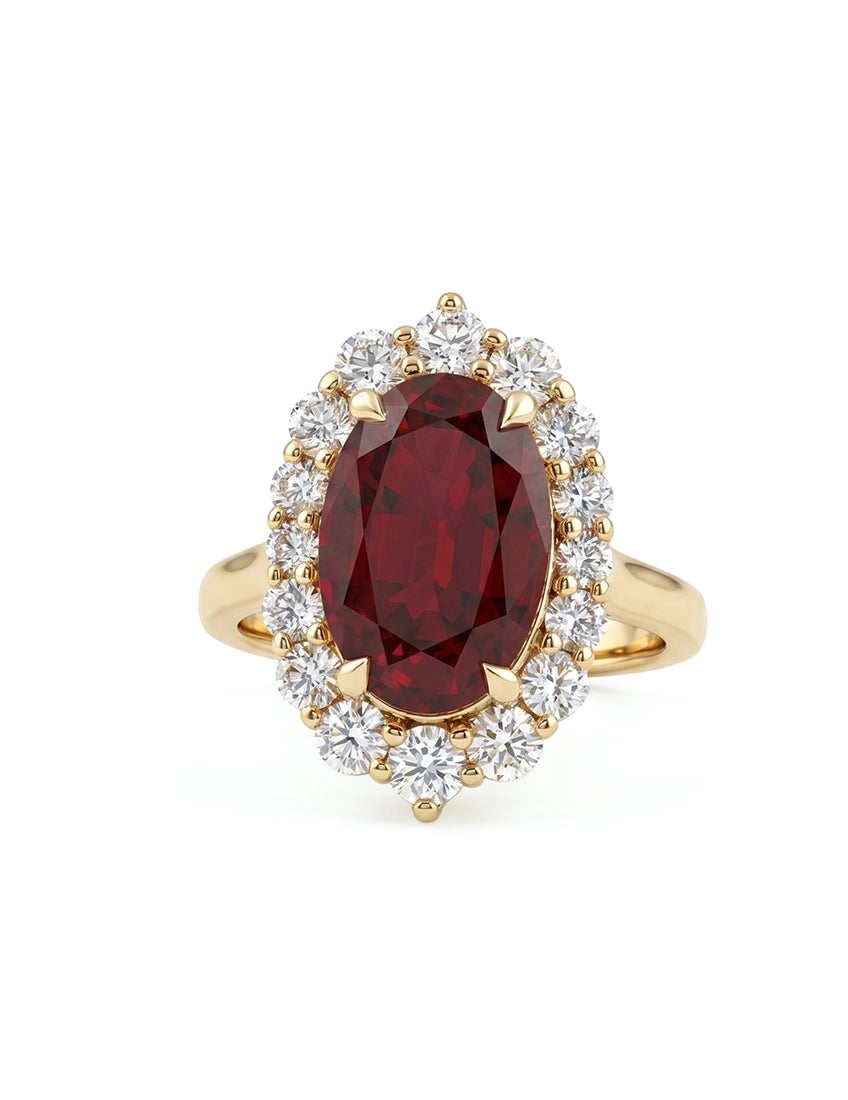
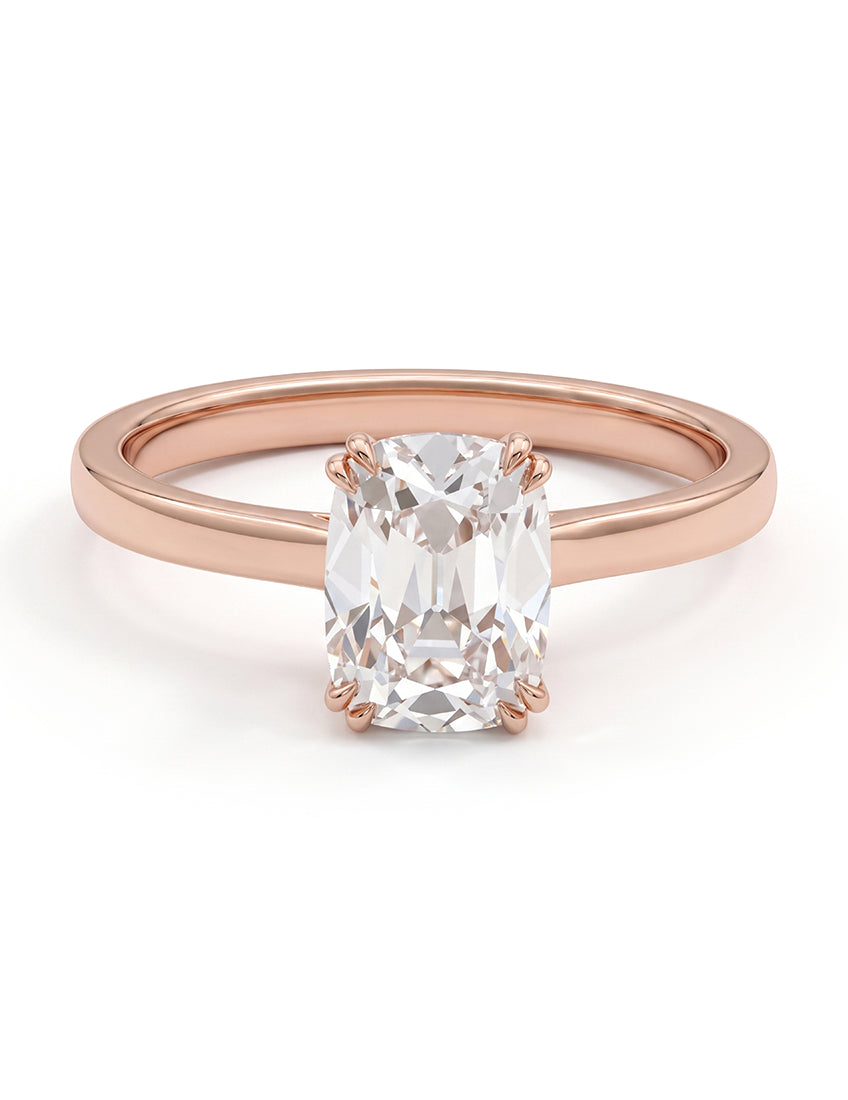
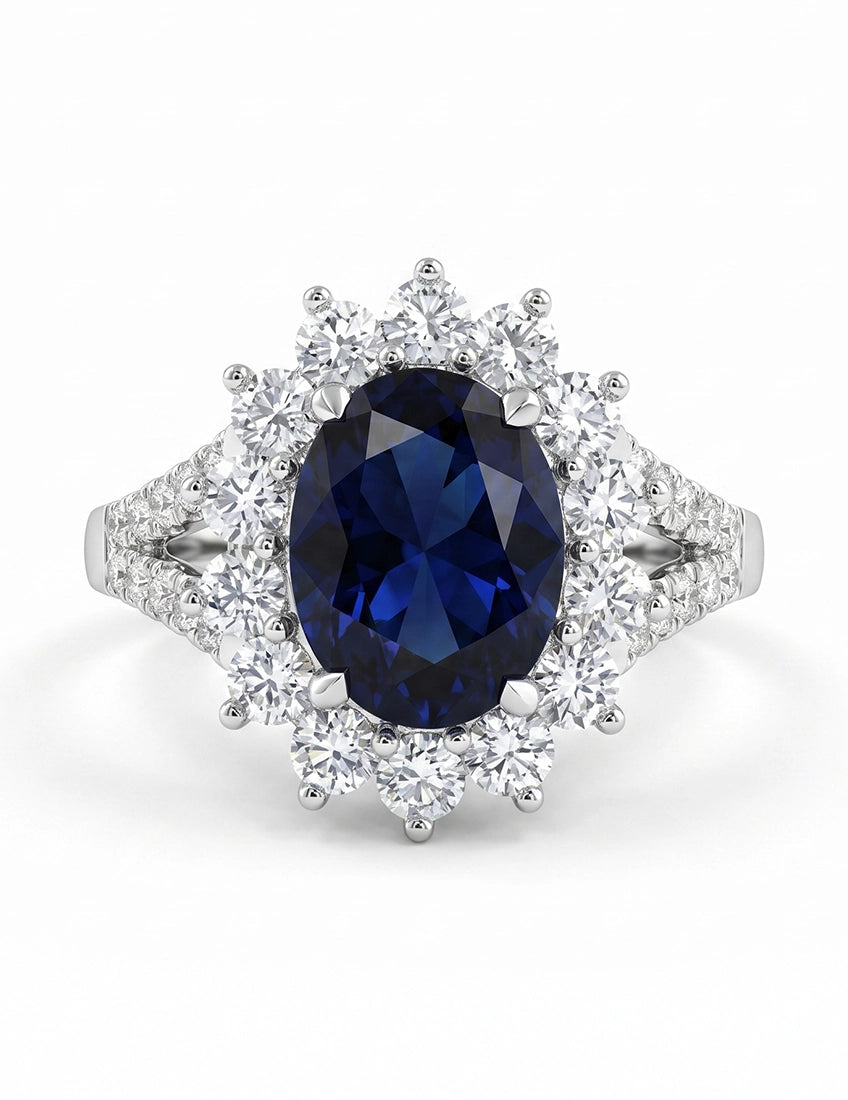
Yellow and rose gold, often 14K, were the main metals. Fine stones were harder to source, so designers used synthetic rubies and sapphires, along with aquamarine, citrine and topaz, and added small diamonds for sparkle.
How to spot it: rose gold, thick curved forms and a three-dimensional look at a much larger scale than Art Deco. Retro pieces are vintage, not antique, and are often more affordable.
Mid-Century Era Jewelry (1950-1970)
Post-war prosperity made jewelry more relaxed and more accessible. Modern art and the space age, which began with the 1957 launch of Sputnik, shaped the designs. Typical pieces include atomic starbursts, abstract and freeform shapes, charm bracelets, cultured pearl strands, brooches and clip earrings. Designers such as Jean Schlumberger, David Webb and Andrew Grima created work that is now highly collectible.
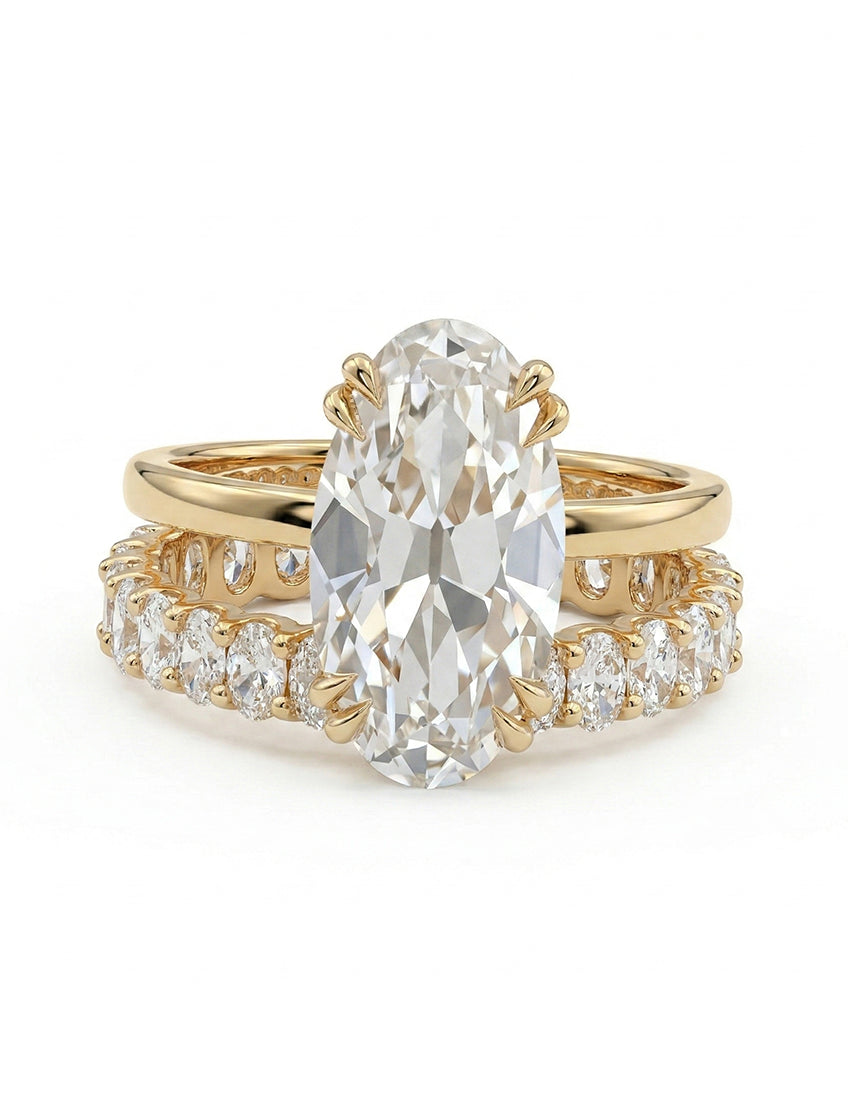
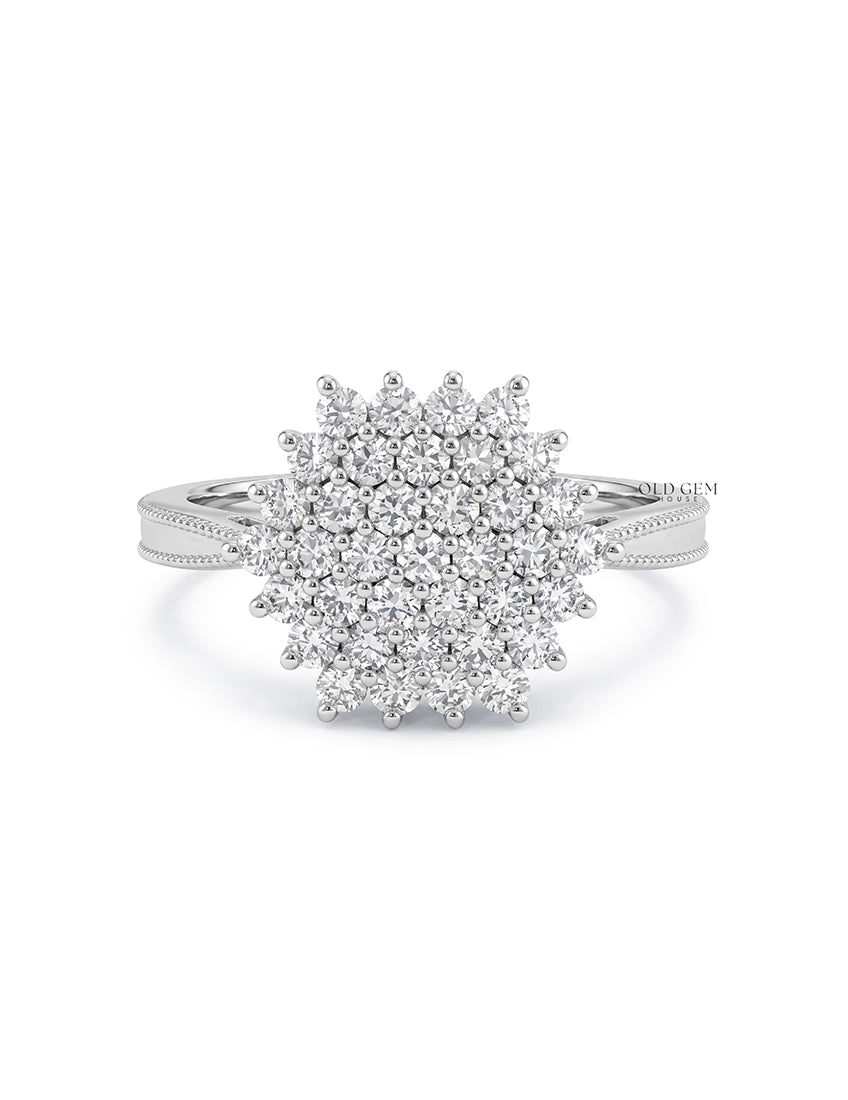
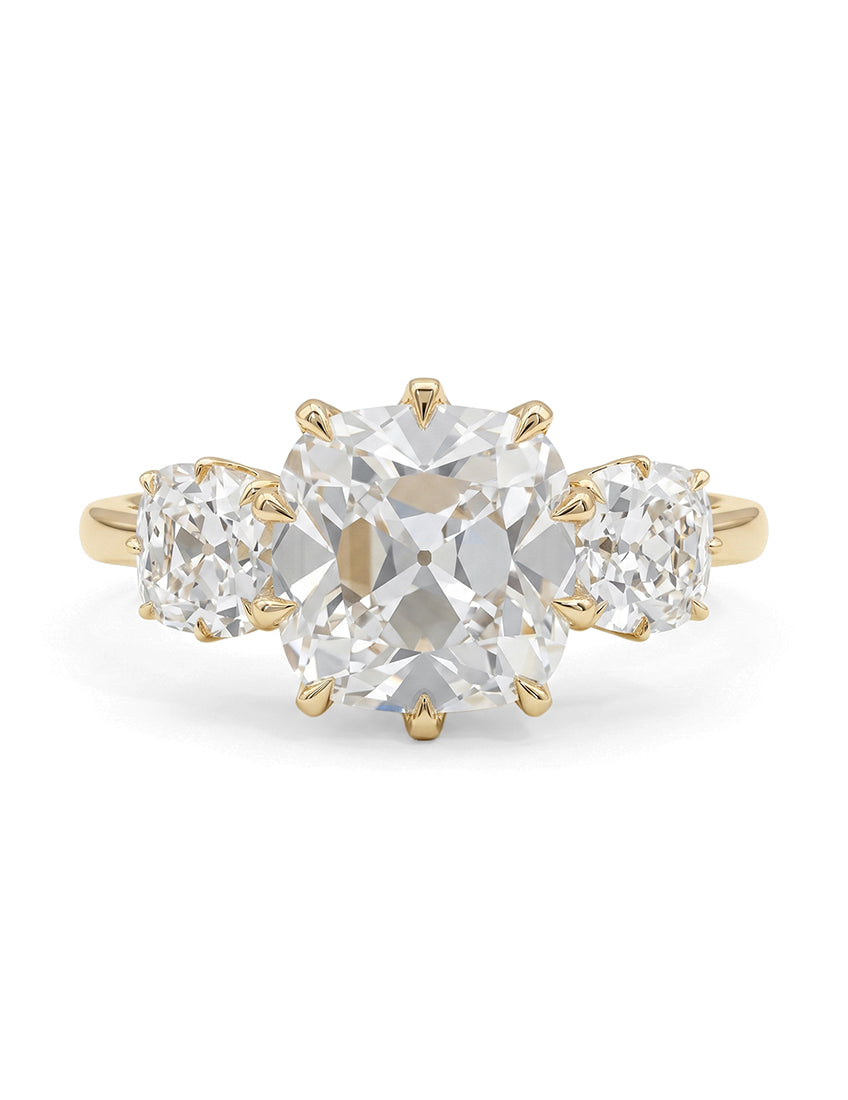
14K and 18K yellow gold were standard, often with brushed, hammered or bark-like textures. Cultured pearls became widely available, and the modern round brilliant became the standard diamond cut.
How to spot it: abstract shapes, textured gold, cultured pearls and consistent karat stamps. Pieces are usually easy to find in good condition, and signed designer work is the main exception in price.
Quick Comparison of Jewelry Eras
|
Era |
Years |
Key Metals |
Signature Gemstones |
Defining Style |
|
Georgian |
1714-1837 |
High-karat gold, silver |
Rose-cut and old mine-cut diamonds, foiled colored stones, paste |
Handmade, sentimental, closed-back settings |
|
Victorian |
1837-1901 |
9K-18K gold, silver |
Garnet, amethyst, turquoise, seed pearls, jet, diamonds |
Romantic, mourning and late Victorian motifs |
|
Edwardian |
1901-1910 |
Platinum, platinum-topped gold |
Diamonds, natural pearls, sapphires |
Light, lacy, garland style with milgrain |
|
Art Deco |
1920-1940 |
Platinum, white gold |
Diamonds, emerald, ruby, sapphire, onyx, jade |
Geometric, symmetrical, high contrast |
|
Retro |
1940-1950 |
Rose and yellow gold, 14K |
Synthetic rubies and sapphires, aquamarine, citrine, topaz |
Large, bold, sculptural |
|
Mid-Century |
1950-1970 |
14K and 18K yellow gold |
Cultured pearls, colored stones, brilliant-cut diamonds |
Abstract, textured, atomic and space-age |
How to Identify the Era of a Piece
No single feature gives a certain answer, so use several clues together.
- Hallmarks and maker's marks. They help date pieces from the Victorian era onward. Many Georgian pieces have none.
- Metal. Silver-topped gold suggests Georgian or early Victorian, platinum suggests Edwardian or Art Deco, and bold rose gold suggests Retro.
- Stone cuts. Rose and old mine cuts are earlier, old European cuts suggest the late 1800s to the 1920s, baguettes suggest Art Deco, and round brilliants suggest the 1950s onward.
- Construction. Hand-fabricated settings and irregular details point to earlier work.
- Design. Sentiment suggests Georgian or Victorian, lace-like openwork Edwardian, geometry Art Deco, large rounded forms Retro, and abstract texture Mid-Century.
For a high-value piece, get an appraisal from a qualified gemologist or antique jewelry specialist.
Frequently Asked Questions
What is the difference between antique and vintage jewelry?
Antique jewelry is at least 100 years old. Vintage jewelry is generally 20 to 99 years old. The line moves forward each year, so pieces from the mid-1920s are now reaching antique status.
Which jewelry era is the most valuable?
There is no single answer. Georgian pieces are valued for rarity, while Edwardian and Art Deco jewelry with platinum and fine diamonds often command high prices. In every era, value depends on materials, condition, craftsmanship and whether a piece is signed by a known maker.
How can I tell if jewelry is Victorian or Edwardian?
Victorian pieces are usually yellow gold with heavier, more ornate designs and colored stones. Edwardian pieces are lighter and made in platinum or platinum-topped gold, with diamonds, pearls, milgrain and fine filigree.
Final Thoughts
Each jewelry era reflects the people, materials and events of its time, from the handmade sentiment of the Georgian period to the sculpted abstraction of the Mid-Century years. Knowing the main features of each one makes it easier to identify a piece and choose jewelry you will enjoy wearing.
To see authentic pieces from these periods, browse the collection at Old Gem House. If you have a question about a specific piece or era, get in touch.